
Sidebar Home Right
Photostream
-
Anatomy

Department of Anatomy is responsible for teaching pre-clinical students of RMC. The department teaches various discipline of Anatomy namely Gross Anatomy, Embryology, Neuro anatomy, Histology, Radiological Anatomy and Living Anatomy providing special emphasis on general, applied and functional aspects.
-
Biochemistry
Science of Biochemistry helps to understand the maintenance of health and effective treatment of diseases. The department is thus organized to teach students about basic knowledge on life process depending upon chemical principles, performing and interpreting biochemical laboratory tests and procedures and requisite knowledge for higher studies and research. The teaching methodology involves theoretical lectures, tutorials and practical demonstrations.
-
Physiology

Department of Physiology is entrusted to teach medical physiology in 03 terms during first one and half year of MBBS course. The aim of teaching physiology is to make medical cadets understand the normal functions of human body and also to know about the homeostatic mechanism, genetic basis of human behavior and also the human reproductive process.
-
Microbiology

Medical Microbiology is a very important branch of modern medicine. Microbial diseases contribute a good number of cases in all the hospital admissions. Department of Microbiology provides training to the medical students of 3rd and 4th years of MBBS course. The main objective of the department is to acquaint the medical student with the etio-pathogenesis of microbial diseases, immunological responses involved in the infectious process and the clinical aspect of the infectious diseases.
-
Pathology

Pathology is a bridging discipline involving both basic science and clinical practice and is devoted to the study of the structural and functional changes in cells, tissues and organs in diseases. Department of Pathology offers training to the medical cadets of 3rd and 4th years of MBBS course.
-
Pharmacology

Department of Pharmacology and Therapeutics imparts training to the medical cadets of 3rd and 4th year of MBBS course. The main objective of the department is to teach medical cadets about detail knowledge of history, source, pharmacokinetics, pharmacodynamics of the drug and its interactions etc.
-
Obstetrics & Gynaecology

Department of Obstetrics and Gynaecology is responsible for teaching the students of 4th and 5th year MBBS course. This course and curriculum is designed to offer basic and practical understanding of the subject which comprises Obstetrics, Neonatology, Gynaecology and Family Planning. Aim of this course is to train medical graduate who will be able to manage common obstetric and gynaecological problems and emergencies as well as they should recognize the critical cases and refer complicated cases to proper place and person.
-
Cardiology
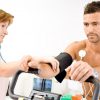
The Department of Cardiology provides a broad range of teaching and services in the diagnosis and management of heart disease. The department comprises a strong team of doctors from various cardiac sub-specialties to educate the students by treating all types of heart disease.
-
Ophthalmology

Department of Ophthalmology offers training to the students of 4th and 5th years of MBBS course. The main objective of the department is to provide community oriented and need-based education so as to produce a good basic doctor who will be able to diagnose, treat and manage the common ocular ailments, provide leadership in the sphere of primary eye care and diagnosis, provide initial management and refer ocular emergency cases appropriately.
-
Surgery
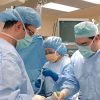
Department of Surgery offers training to the medical cadets of 3rd, 4th and 5th years of MBBS course. The main objective of the department is to provide community-oriented and community need-based education so as to produce good young doctors who will be able to diagnose and manage the common surgical problems/emergencies prevalent in Bangladesh ; undertake the responsibility of management of common casualties or natural calamities and identify the surgical problems requiring referral to the appropriate specialists.
-
Medicine

Department of Medicine offers training to the medical cadets after passing 1st Prof MBBS exam up to the end of MBBS course. The main objective of the department is to render teaching of the subject with a view to produce young doctors who will be acquainted with various methods and tools for diagnosis and treatment of common diseases including medical emergencies, recognition of cases requiring referral to the appropriate place/person and also prevention of diseases especially the infections and communicable ones.
-
Community Medicine

The Department of Community Medicine is involved in the teaching and learning programs for medical students both at the undergraduate and postgraduate level. It also supports part of nursing teaching program. The department is committed to become an excellent community health center in meeting the community needs in term of providing teaching and learning programmes for health care providers in relation to public health and community health disciplines at the certificate, diploma, undergraduate and post graduate levels.
-
Forensic Medicine
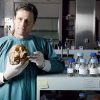
The Forensic Medicine Department is dedicated to the study and subsequent application of several areas of the medical sciences which are applied to Human Body in order to assist the law for investigating a crime so that a full plausible reconstruction of the events in a crime like murder, sexual assault, poisoning or natural deaths could be made certain beyond reasonable doubt. It also deals with the concept of imparting knowledge of Medico-Legal responsibilities to the treating physician and various problems pertaining to the practice of legal medicine. The curriculum includes syllabus on Medical Jurisprudence, Forensic Pathology, Viscera Packing Application of Anthropology, Toxicology, etc.
-
Radiology & Imaging
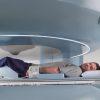
Radiology is a specialty that uses medical imaging to diagnose and treat diseases seen within the body. A variety of imaging techniques such as X-ray radiography, ultrasound, computed tomography (CT), nuclear medicine including positron emission tomography (PET), and magnetic resonance imaging (MRI) are used to diagnose and/or treat diseases. Interventional radiology is the performance of (usually minimally invasive) medical procedures with the guidance of imaging technologies.
-
Radiotherapy & Oncology
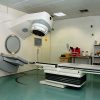
Department of Radiotherapy & Oncology is responsible for teaching pre-clinical students of RMC. The department teaches various discipline of Radiotherapy & Oncology
-
Ear, Nose and Throat
The Department of ear, nose & throat (Otolaryngology) at Rajshahi Medical College provides education to the students as well as services to its hospital a medical and surgical care of adult and pediatric ear, nose and throat disorders, with emphasis on thyroid and parathyroid surgery, head & neck cancer, neck masses, endoscopic sinus surgery, otology, cochlear implants, plastic surgery, sleep surgery, skull base surgery, voice disorders, adult dysphagia, and complex airway reconstruction.
-
Dermatology
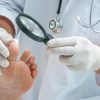
The Department of Dermatology at Rajshahi Medical College has grown beyond leaps and bounds. The newer equipment and techniques are being introduced in the department at a scorching pace. Department’s research programs facilitate clinical studies, investigate advances in dermatologic therapies and engage in studies of genetic skin diseases, connective-tissue disorders and skin cancers. The department is also renowned as an education facility, providing residency training in dermatology, education of medical students and frequent continuing education opportunities for dermatologists. The department now boasts of being in the elite list of very few colleges in the Government setup.
-
Anatomy
Department of Anatomy is responsible for teaching pre-clinical students of RMC. The department teaches various discipline of Anatomy namely Gross Anatomy, Embryology, Neuro anatomy, Histology, Radiological Anatomy and Living Anatomy providing special emphasis on general, applied and functional aspects.
-
Biochemistry
Science of Biochemistry helps to understand the maintenance of health and effective treatment of diseases. The department is thus organized to teach students about basic knowledge on life process depending upon chemical principles, performing and interpreting biochemical laboratory tests and procedures and requisite knowledge for higher studies and research. The teaching methodology involves theoretical lectures, tutorials and practical demonstrations.
-
Physiology
Department of Physiology is entrusted to teach medical physiology in 03 terms during first one and half year of MBBS course. The aim of teaching physiology is to make medical cadets understand the normal functions of human body and also to know about the homeostatic mechanism, genetic basis of human behavior and also the human reproductive process.
-
Microbiology
Medical Microbiology is a very important branch of modern medicine. Microbial diseases contribute a good number of cases in all the hospital admissions. Department of Microbiology provides training to the medical students of 3rd and 4th years of MBBS course. The main objective of the department is to acquaint the medical student with the etio-pathogenesis of microbial diseases, immunological responses involved in the infectious process and the clinical aspect of the infectious diseases.
-
Pathology
Pathology is a bridging discipline involving both basic science and clinical practice and is devoted to the study of the structural and functional changes in cells, tissues and organs in diseases. Department of Pathology offers training to the medical cadets of 3rd and 4th years of MBBS course.
-
Pharmacology
Department of Pharmacology and Therapeutics imparts training to the medical cadets of 3rd and 4th year of MBBS course. The main objective of the department is to teach medical cadets about detail knowledge of history, source, pharmacokinetics, pharmacodynamics of the drug and its interactions etc.
-
Obstetrics & Gynaecology
Department of Obstetrics and Gynaecology is responsible for teaching the students of 4th and 5th year MBBS course. This course and curriculum is designed to offer basic and practical understanding of the subject which comprises Obstetrics, Neonatology, Gynaecology and Family Planning. Aim of this course is to train medical graduate who will be able to manage common obstetric and gynaecological problems and emergencies as well as they should recognize the critical cases and refer complicated cases to proper place and person.
-
Cardiology
The Department of Cardiology provides a broad range of teaching and services in the diagnosis and management of heart disease. The department comprises a strong team of doctors from various cardiac sub-specialties to educate the students by treating all types of heart disease.
-
Ophthalmology
Department of Ophthalmology offers training to the students of 4th and 5th years of MBBS course. The main objective of the department is to provide community oriented and need-based education so as to produce a good basic doctor who will be able to diagnose, treat and manage the common ocular ailments, provide leadership in the sphere of primary eye care and diagnosis, provide initial management and refer ocular emergency cases appropriately.
-
Surgery
Department of Surgery offers training to the medical cadets of 3rd, 4th and 5th years of MBBS course. The main objective of the department is to provide community-oriented and community need-based education so as to produce good young doctors who will be able to diagnose and manage the common surgical problems/emergencies prevalent in Bangladesh ; undertake the responsibility of management of common casualties or natural calamities and identify the surgical problems requiring referral to the appropriate specialists.
-
Medicine
Department of Medicine offers training to the medical cadets after passing 1st Prof MBBS exam up to the end of MBBS course. The main objective of the department is to render teaching of the subject with a view to produce young doctors who will be acquainted with various methods and tools for diagnosis and treatment of common diseases including medical emergencies, recognition of cases requiring referral to the appropriate place/person and also prevention of diseases especially the infections and communicable ones.
-
Community Medicine
The Department of Community Medicine is involved in the teaching and learning programs for medical students both at the undergraduate and postgraduate level. It also supports part of nursing teaching program. The department is committed to become an excellent community health center in meeting the community needs in term of providing teaching and learning programmes for health care providers in relation to public health and community health disciplines at the certificate, diploma, undergraduate and post graduate levels.
-
Forensic Medicine
The Forensic Medicine Department is dedicated to the study and subsequent application of several areas of the medical sciences which are applied to Human Body in order to assist the law for investigating a crime so that a full plausible reconstruction of the events in a crime like murder, sexual assault, poisoning or natural deaths could be made certain beyond reasonable doubt. It also deals with the concept of imparting knowledge of Medico-Legal responsibilities to the treating physician and various problems pertaining to the practice of legal medicine. The curriculum includes syllabus on Medical Jurisprudence, Forensic Pathology, Viscera Packing Application of Anthropology, Toxicology, etc.
-
Radiology & Imaging
Radiology is a specialty that uses medical imaging to diagnose and treat diseases seen within the body. A variety of imaging techniques such as X-ray radiography, ultrasound, computed tomography (CT), nuclear medicine including positron emission tomography (PET), and magnetic resonance imaging (MRI) are used to diagnose and/or treat diseases. Interventional radiology is the performance of (usually minimally invasive) medical procedures with the guidance of imaging technologies.
-
Radiotherapy & Oncology
Department of Radiotherapy & Oncology is responsible for teaching pre-clinical students of RMC. The department teaches various discipline of Radiotherapy & Oncology
-
Ear, Nose and Throat
The Department of ear, nose & throat (Otolaryngology) at Rajshahi Medical College provides education to the students as well as services to its hospital a medical and surgical care of adult and pediatric ear, nose and throat disorders, with emphasis on thyroid and parathyroid surgery, head & neck cancer, neck masses, endoscopic sinus surgery, otology, cochlear implants, plastic surgery, sleep surgery, skull base surgery, voice disorders, adult dysphagia, and complex airway reconstruction.
-
Dermatology
The Department of Dermatology at Rajshahi Medical College has grown beyond leaps and bounds. The newer equipment and techniques are being introduced in the department at a scorching pace. Department’s research programs facilitate clinical studies, investigate advances in dermatologic therapies and engage in studies of genetic skin diseases, connective-tissue disorders and skin cancers. The department is also renowned as an education facility, providing residency training in dermatology, education of medical students and frequent continuing education opportunities for dermatologists. The department now boasts of being in the elite list of very few colleges in the Government setup.
© 2023 Rajshahi Medical College, Rajshahi. Developed by: rajIT Solutions Ltd. (An ISO 9001:2015 Certified Company).