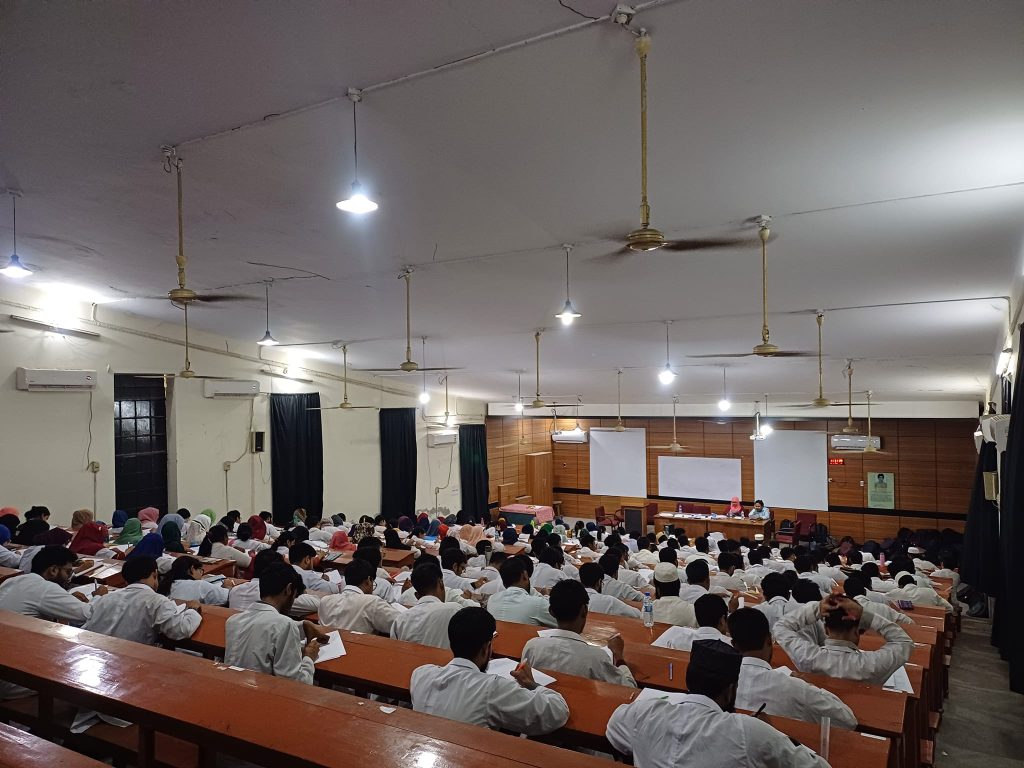
Academic Activities
Academic activities form the cornerstone of the department’s mandate. The faculty conducts lectures, tutorials, and practical classes for undergraduate medical (MBBS) students according to the prescribed curriculum and timetable. Teaching is delivered through both in-person and online modalities, ensuring continuity of education even in challenging times. Students learn the principles of forensic medicine, including forensic pathology (study of causes/manner of death), clinical forensic medicine (examination of injury and assault cases), toxicology (poison identification and management), and medical jurisprudence (laws and ethics related to medicine). The department emphasizes interactive learning; case discussions are a regular feature where medico-legal cases (from autopsies to assault examinations) are reviewed with students for educational purposes. These case-based learning sessions help students connect theory with real-life applications in legal contexts. In addition, the department arranges weekly academic seminars and case presentations, often integrating ongoing research findings. Faculty members mentor students in research methodology and critical thinking, fostering a culture of inquiry. By the end of their training in forensic medicine, RMC students are well-versed in preparing medico-legal reports, understanding court procedures, and handling ethical dilemmas – essential skills for their professional careers.
Medico-Legal Services
As a part of a public medical college, the department provides extensive medico-legal services to support the justice system. Key services offered by the Department of Forensic Medicine & Toxicology include:
- Autopsies (Post-mortem Examinations): The department conducts medico-legal autopsies on cases of unnatural or suspicious deaths referred by police or ordered by the courts. Examinations are performed thoroughly to determine the cause of death and other forensic evidence, following all legal protocols. Findings from these post-mortem examinations are compiled into official reports for use in criminal investigations and judicial proceedings. Each year, the department handles more than thousands of autopsy cases, reflecting its critical role in investigating homicides, suicides, accidents, and other unexplained deaths in the region.
- Examination of Victims and Survivors: For living subjects involved in legal cases, such as survivors of rape, sexual assault, sodomy, or physical violence including admitted Victims and Survivors in the One-stop Crisis Centre (OCC) of Rajshahi Medical College Hospital (RMCH), departmental experts perform detailed medico-legal examinations. This includes documentation of injuries, collection of forensic evidence (e.g. DNA swabs, clothing and others), and assessment of the consistency of findings with alleged events. Between Januarys to December in previous years alone, approximately 700 to 900 victims of sexual assault were examined at RMC’s forensic department as part of a study – highlighting the volume of cases and the department’s importance in addressing sexual violence. The department’s doctors provide compassionate care during these examinations while meticulously recording findings for legal use.
- Toxicological Analysis Co-ordination: In cases of suspected poisoning or drug overdose, the department co-ordinates the collection of viscera and body fluid samples for chemical analysis. The departmental experts handles Forensic Toxicology cases closely with Divisional chemical examiner laboratories to detect toxins or chemicals that may have caused or contributed to death. A recent departmental study analyzed autopsy viscera reports from 2019–2024, finding organophosphorus pesticides and aluminum phosphide to be among the most common poisons in cases that handled by the department. Such analyses guide investigators in confirming or ruling out foul play and help public health authorities understand poisoning trends.
- Medico-Legal Reporting and Expert Testimony: The faculty prepares official medico-legal reports for each case, which are then forwarded to the relevant legal authorities (police, magistrates, or courts) as evidence. These reports cover post-mortem findings, injury documentation, cause of death opinions, and toxicology results. Departmental experts also serve as expert witnesses, providing testimony in court when summoned, to explain the medical findings and validate the reports. This service is crucial in aiding the administration of justice, as unbiased medical evidence can corroborate or refute claims made in legal cases.
All medico-legal services are carried out in accordance with national laws and ethical guidelines. The department maintains close collaboration with law enforcement agencies; cases from various police stations across the Rajshahi region are referred here. By balancing their service duties with teaching, the faculty involve post-graduate students (under supervision by the head of the department) in observing autopsies and forensic examinations, providing invaluable practical exposure. This hands-on approach not only trains future doctors in legal responsibilities but also ensures a continuous quality check as cases are often discussed in academic forums within the department.
Infrastructure and Facilities
The Department of Forensic Medicine & Toxicology is housed in a dedicated facility within the Rajshahi Medical College campus, providing the necessary infrastructure for both education and medico-legal work. The department located in third floored of the main college building towards the north-eastern side of the main college premises. This department includes a semi-modern autopsy suite (morgue), which is equipped for conducting post-mortem examinations. The autopsy room is designed with appropriate lighting and instruments to carry out forensic dissections, and contains refrigerated storage for preserving dead bodies during investigations. Adjacent to the autopsy area, the department maintains a forensic museum and demonstration room. The museum displays various forensic specimens and teaching models – such as skeletal remains, models of weapons, charts of poisons, and specimens showing different injuries or disease patterns – which serve as educational aids for students. There are also designated classrooms and tutorial rooms in the department, fitted with audiovisual equipment and projectors to facilitate lectures and group discussions.
Supporting facilities include a small departmental library and access to the college’s central library resources. RMC’s central library houses approximately 19,500 books and 60 medical journals, which cover forensic medicine and toxicology among other subjects. The department also benefits from RMC’s multimedia lecture galleries and labs when needed. While the forensic department is a considerable asset, the department continuously works on improving its facilities. Ensuring proper laboratory amenities (for example, secure storage of samples, minor lab testing kits for presumptive toxin tests) and maintaining mortuary infrastructure (water supply, drainage, ventilation, lighting etc.) are ongoing priorities. Despite some resource constraints, the existing infrastructure effectively supports the department’s current academic and service functions. Plans are in place to further modernize the morgue and laboratory capabilities under the department’s future development goals.
Research and Publications
Research is a growing focus of the Department of Forensic Medicine & Toxicology at RMC. Faculty and staff have been actively engaging in research projects that address pertinent forensic and public health issues. In recent years, the department has produced multiple publications in peer-reviewed journals. Notably, 23 in no. research articles were published in 2019–2025, and an additional three studies were in progress as of the latest update. This is a significant achievement, reflecting the department’s commitment to contributing new knowledge to the field.
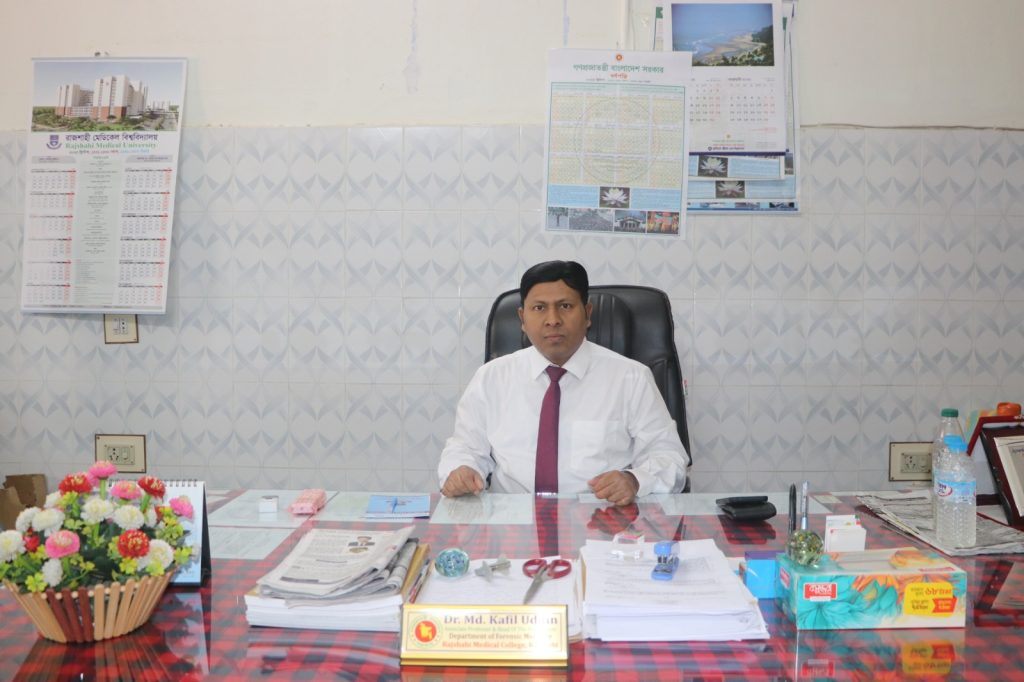
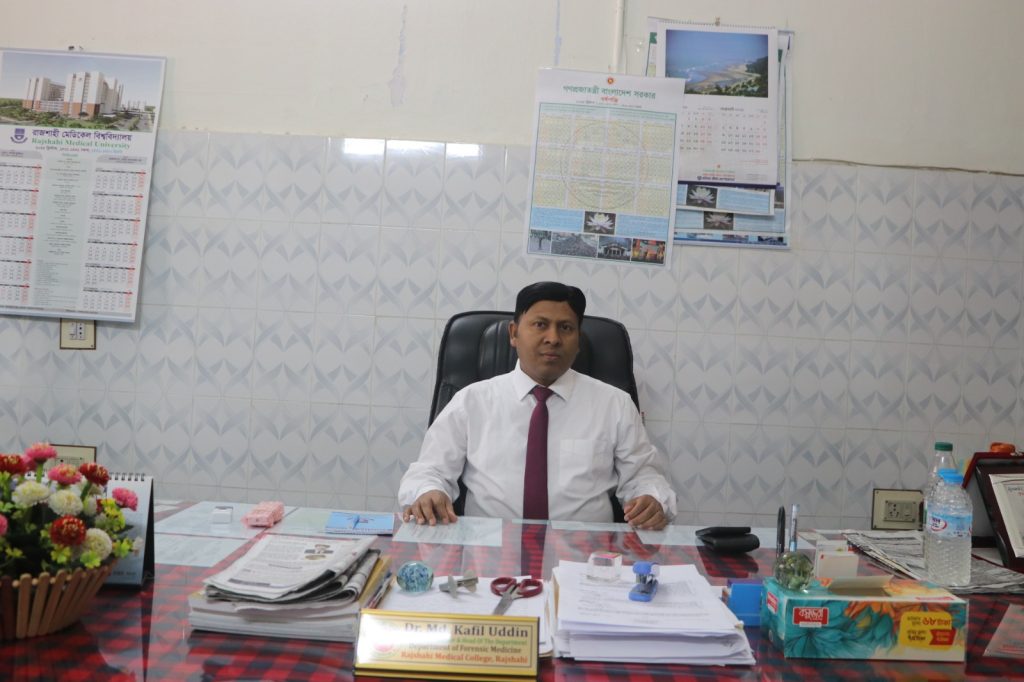
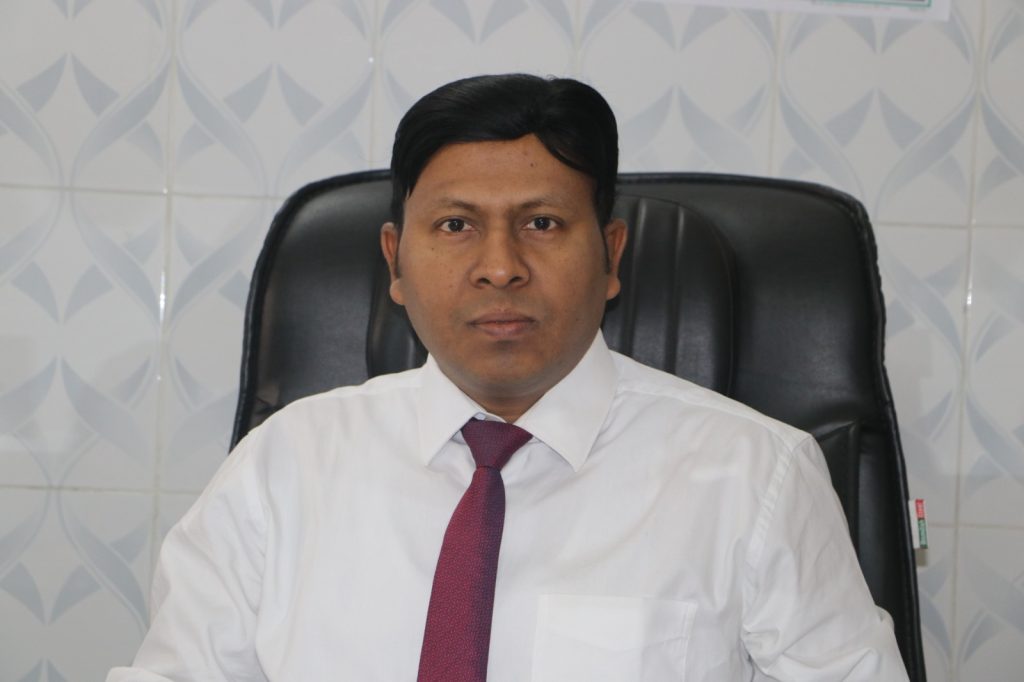
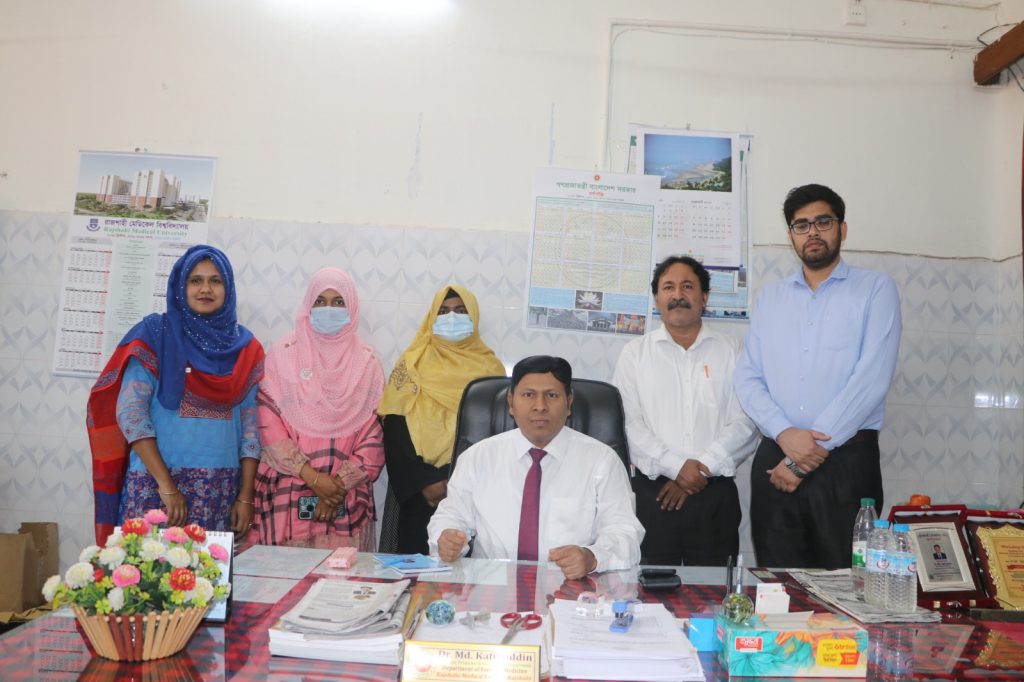
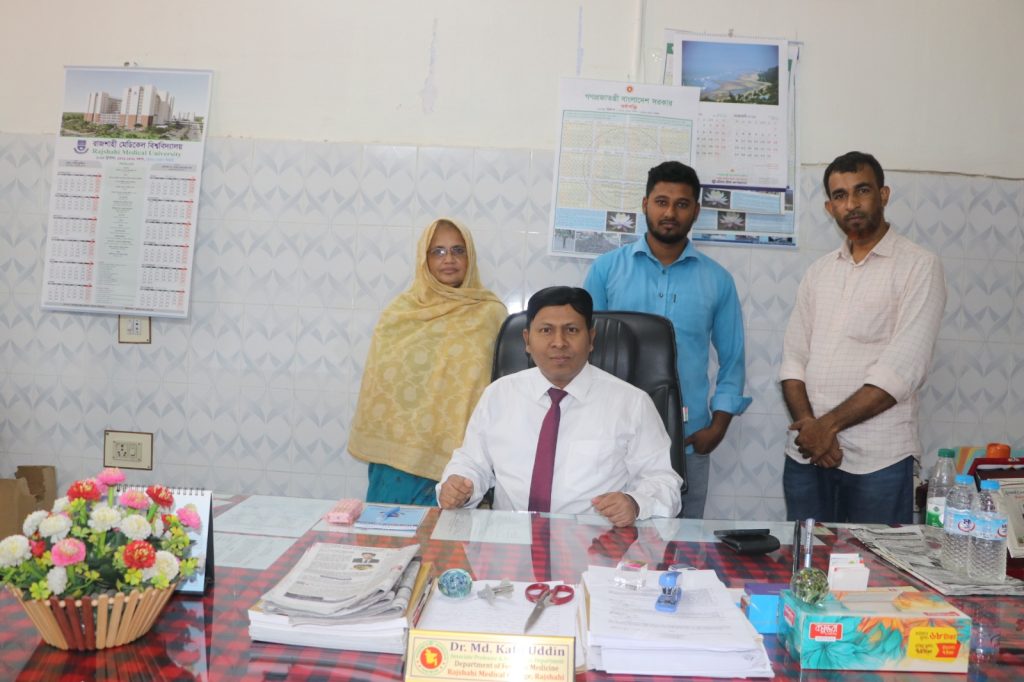
The research topics undertaken by the department are closely aligned with the medico-legal challenges observed in the region. For example, one study analyzed the pattern of toxic chemicals found in autopsy cases at RMC, revealing that agricultural pesticides (organophosphates) and poisons like aluminum phosphide were the most prevalent toxins encountered. Another study focused on the profile of alleged sexual assault cases in Rajshahi, examining socio-demographic factors and forensic findings of victims over a given period. There have also been research efforts to document trends in unnatural deaths – such as the proportions of homicide, suicide (e.g. hanging or poisoning), accidental deaths, etc., among the autopsies performed at RMC. These studies not only help in understanding local trends and causes of preventable deaths but also inform policymakers and law enforcement for preventive strategies. Additionally, the department’s faculty contribute to RMC’s own bi-annual medical journal “TAJ” (Journal of Teachers Association) and collaborate with other medical colleges on multi-center research. For instance, departmental researchers have co-authored papers with forensic experts from other institutions, sharing data and insights across Bangladesh. The departmental head Dr. Md. Kafil Uddin is currently work as Managing Editor and he developed an academic excellence of an international forensic journal name as- International Journal of Forensic Expert Alliance (IJFEA).
Engaging students in research is also a priority. Under faculty supervision, interested students can take part in research data collection (such as reviewing autopsy records or assisting in field surveys for forensic studies). Weekly seminars often include presentation of research findings, keeping both students and staff updated on the latest developments. The department’s research endeavors strengthen its academic profile and ensure that teaching is informed by current evidence. In summary, through a combination of case-based studies, descriptive research on medico-legal cases, and interdisciplinary projects, the Department of Forensic Medicine & Toxicology at RMC is contributing valuable knowledge to the field and improving forensic practices.
Collaborations and Outreach
Collaboration is essential in forensic medicine, and the department actively maintains partnerships both within and outside the college. Internally, the department works closely with the Rajshahi Medical College Hospital and other clinical departments. Many forensic cases, especially those involving clinical care (like managing a poisoned patient or treating assault injuries), require coordination between forensic specialists and clinicians. The forensic team often consults with departments like Medicine (for toxicology cases) and Gynecology (for sexual assault cases), Psychiatry (for insanity cases) to ensure holistic care for patients while securing necessary legal evidence.
Externally, the Department of Forensic Medicine & Toxicology collaborates with law enforcement agencies and the judicial system on a daily basis. The local police, magistrates, and public prosecutors rely on the department’s expertise for investigating cases. There is a continuous interface: police investigative officers bring in cases (dead bodies for autopsy or survivors for examination) and in return receive medico-legal reports that become part of the legal proceedings. Faculty members may provide training sessions or guidance to police officials on topics like preserving evidence, interpreting medical reports, or improving investigation techniques. The department also liaises with the Police Bureau of Investigation (PBI) and other specialized units in complex cases, as suggested by recent studies analyzing rape cases in collaboration with investigative agencies.
On the academic front, the department has fostered research collaborations with peer institutions. Joint research publications have involved authors from multiple medical colleges (e.g., forensic departments in Dhaka, Rangpur, Bogura, Dinajpur, Satkhira, Sirajganj, Khulna, etc.) working together on nationwide issues. Such collaborations expand the scope of research and allow sharing of data and expertise across different regions. The department is also involved in professional networks such as the Forensic Expert Alliance of Bangladesh (FEAB) and The Medico-legal Society of Bangladesh (TMLSB), where knowledge exchange and standardization of practices occur among forensic professionals countrywide.
In terms of outreach, the department contributes to community and public health education on forensic-related matters. Faculty members participate in seminars and workshops to raise awareness about issues like poison prevention, road safety (to reduce traffic accident fatalities), and violence against women. By engaging with public health officials and NGOs, the department helps highlight trends observed in autopsies or victim examinations – for example, patterns in youth suicide or domestic violence – thereby informing prevention programs. The department’s location within a major government medical college means it is also called upon for government initiatives; for instance, providing expert opinions in high-profile cases or contributing to policy-making committees on medico-legal affairs.
Overall, through its collaborations and outreach, the Department of Forensic Medicine & Toxicology extends its impact beyond the classroom and morgue. It acts as a bridge between the health sector and the justice system, and between academic knowledge and societal application, embodying the very essence of forensic medicine.
Future Plans and Strategic Goals
Looking ahead, the Department of Forensic Medicine & Toxicology at RMC has outlined several strategic goals to enhance its capabilities and meet future challenges. Key objectives for the coming years include:
- Expansion of Faculty and Expertise: The department plans to create and fill additional faculty positions, especially at senior levels. Currently, there is no full Professor in the department and only one Associate Professor post (OSD Attachment) which is technically not yet formally created. By advocating for new faculty posts (and the government’s approval of those posts), the department aims to recruit or promote experienced forensic specialists. Increasing the number of professors and assistant professors will bring in advanced expertise and leadership, which in turn will improve teaching quality and allow the department to handle more cases efficiently.
- Development of Allied Forensic Science Services: There is a vision to broaden the scope of the department by integrating allied forensic science disciplines. This could involve establishing facilities or collaborations for forensic DNA analysis, histopathology, forensic radiology, or digital forensics as part of the department’s offerings. By developing allied forensic science, RMC can evolve into a more comprehensive center where, for example, advanced toxicological analyses or forensic genetic tests related to cases can be coordinated. Strengthening ties with the national Forensic Science Laboratory and enhancing in-house capabilities (like improved toxicology screening tools) are part of this goal.
- Upgrade of Infrastructure and Technology: The department seeks to modernize its infrastructure – including the autopsy morgue and laboratory and museum spaces. Plans include acquiring state-of-the-art equipment for autopsies (such as imaging devices or modern dissection tables), improving the morgue’s amenities (adequate water supply, drainage, ventilation, and cold storage), and setting up small labs for preliminary forensic analyses. Emphasis is also on digital record-keeping: implementing electronic databases for case records and adopting modern evidence management systems. These upgrades will ensure that the department’s facilities meet international standards and improve both efficiency and safety in medico-legal work.
- Postgraduate Program and Research Institute Development: A major strategic goal is to transform the department into a postgraduate teaching and research institution. This involves launching an MD or equivalent residency program in Forensic Medicine at Rajshahi Medical College. By introducing a postgraduate course, the department would train specialist forensic doctor, thus contributing to the national need for forensic experts. The plan includes developing independent research facilities and training programs so that the department can act as a center for advanced research in forensic medicine. In the long term, this could evolve into a full-fledged forensic science institute in the northern region of Bangladesh, offering PhD or advanced diplomas, and hosting national conferences or workshops. The college’s administration and the department are working towards fulfilling the requirements (faculty strength, case volume, laboratory facilities) to get approval for such postgraduate courses. This strategic expansion will not only elevate the academic status of the department but also improve medico-legal services, as more specialized doctors will be available for the region.
- Continuous Professional Development and Quality Improvement: The department aims to implement ongoing training for its current staff and stakeholders in the medico-legal system. This includes regular workshops for doctors on new forensic techniques, refresher courses for police and lawyers on medical aspects of investigations, and internal audits of the department’s case handling for quality assurance. By fostering a culture of continuous improvement, the department intends to keep its practices updated with global advancements and maintain a high standard of service delivery.
These future plans underscore the department’s commitment to growth and excellence. In summary, by strengthening human resources, expanding services, upgrading infrastructure, and advancing academic programs, the Department of Forensic Medicine & Toxicology at RMC is strategically positioning itself to meet the evolving needs of medical education and the justice system in Bangladesh.
Contact Information
For any inquiries or further information, interested parties can contact the Department of Forensic Medicine & Toxicology through the following channels:
- Address: Department of Forensic Medicine & Toxicology, Rajshahi Medical College, Rajshahi – 6000, Bangladesh
- Phone: +880 2588-857150 (RMC central phone number), Fax: 0721-772174.
- Email: principalrajshahi@yahoo.com (Principal Office), mdkafiluddin1982rmc@gmail.com (Head of the Department)
- Facebook: facebook.com/rmc
- Twitter: twitter.com/rmc
- Website: https://rmc.edu.bd/
- Find Us on Map: The location of Rajshahi Medical College (including the Forensic Medicine department) is available on Google Maps for easy navigation. Rajshahi Medical College is situated in a central area of Rajshahi city, and the forensic building is within the main campus.
Prospective students, collaborators, or government officials are encouraged to reach out through the above contact points. The department welcomes inquiries related to academic programs, medico-legal services, research collaborations, or any form of professional cooperation. Visitors may also schedule appointments or visits by contacting the department in advance. The faculty and staff remain committed to engaging with stakeholders and providing necessary information and assistance promptly.